

Composites (Concrete, Polymers, Coatings)
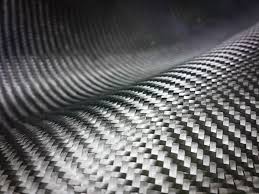
Graphene enhances the strength and durability of concrete, polymers, and coatings. When added to concrete, it increases compressive strength and reduces water permeability, making structures more stable. In polymers, graphene improves flexibility and resistance to damage, making materials more resilient to bending and less prone to cracking. For protective coatings, graphene stops corrosion and adds thermal stability in higher temperatures.
These graphene-enhanced composites are valuable in construction, aerospace, and automotive industries where high-performance materials are in constant demand.
3D Printing
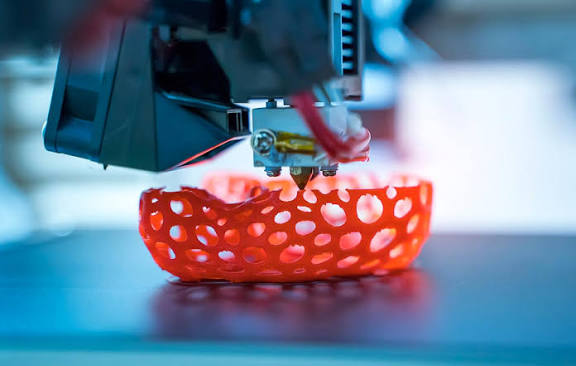
Over the past decade, Additive Manufacturing (AM), commonly known as 3D printing, has advanced far beyond its flimsy, early plastic prototypes. Today, it plays a key role in producing complex, high-performance materials.
Researchers at MIT have taken this a step further by integrating graphene flakes into 3D-printed structures. Using a custom AM system, they created objects with remarkable strength; with some materials testing at 10 times stronger than steel while being just 1/20th the mass, and an unheard of feat in fabrication. This breakthrough opens the door to replacing traditional steel parts with lighter, stronger alternatives.
Energy Storage: Batteries & Supercapacitors
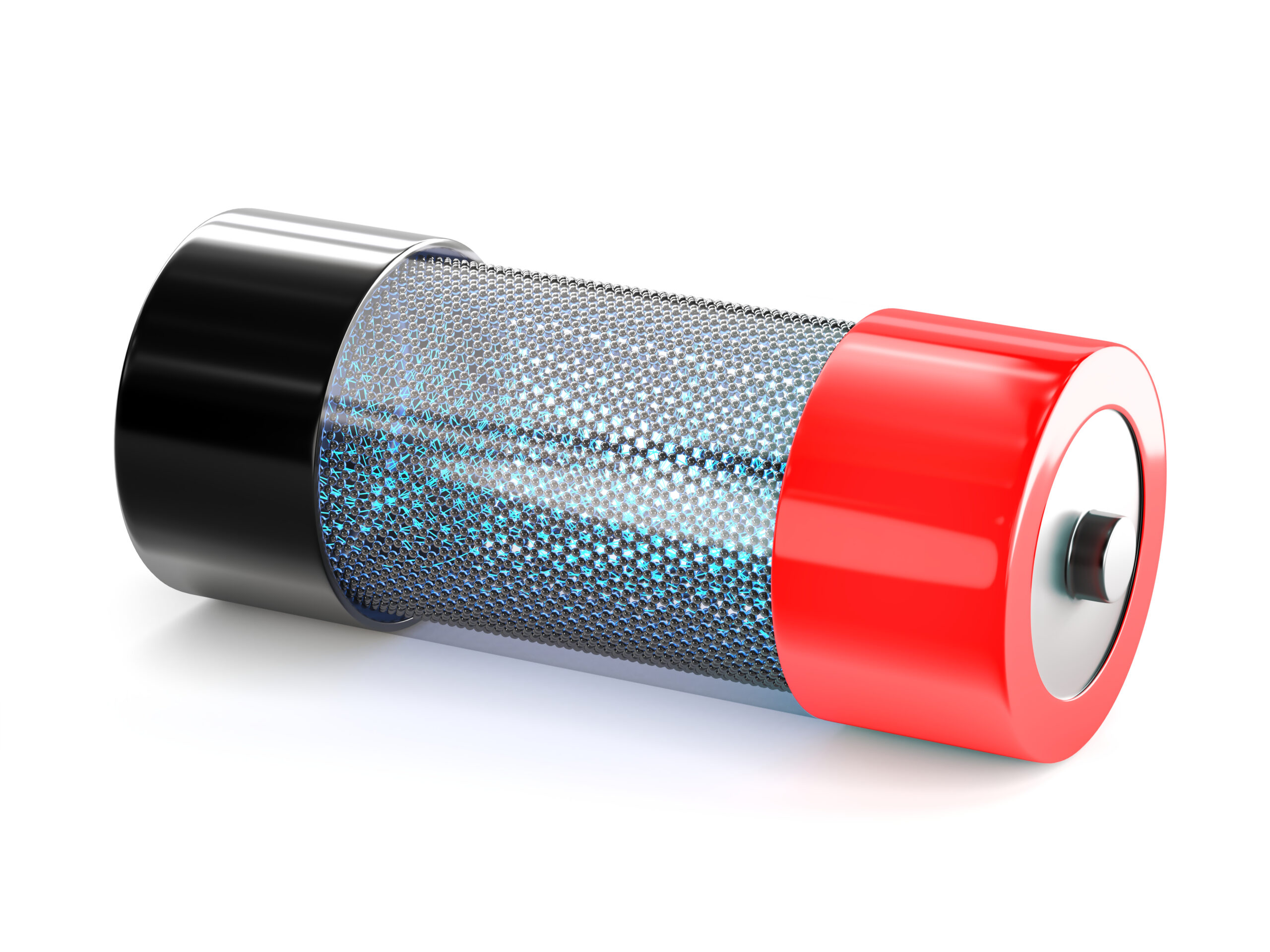
Graphene plays a key role in improving battery and supercapacitor technology. Its high conductivity and the increased surface area of its honeycomb pattern allow for faster charge and discharge in lithium-ion batteries, for example.
In supercapacitors, where energy storage is critical, graphene increases energy density and lifespan. These advantages are essential for electric vehicles and renewable energy storage, where efficient and long-lasting energy solutions are required. The demand for graphene in the U.S. market continues to grow, making storage systems more reliable and powerful.
Electronics: Sensors, Flexible Displays, Chip Implants

Graphene’s flexibility and conductivity make it ideal for next-generation electronics. It forms the backbone of many highly sensitive sensors used in detecting gases, chemicals, and biological signals.
In modern, flexible displays, graphene replaces traditional, brittle materials to create thin, bendable screens that are used in smartphones and wearable tech.
Chip implants with graphene have the potential to improve neural communication, opening doors for brain-computer interface development. These innovations mark a shift toward smarter, more adaptable devices.
Thermal Management: Graphene Heaters, Radiators
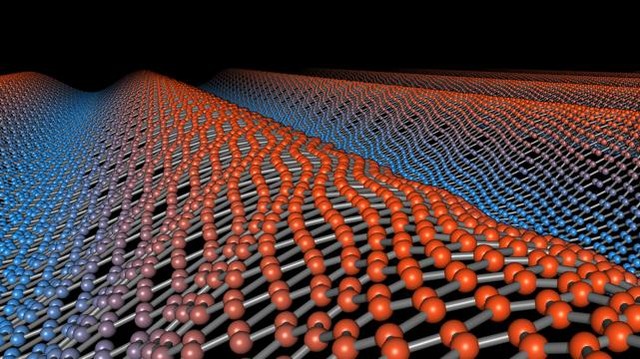
Graphene’s ability to conduct heat efficiently makes it perfect for thermal management and temperature regulation.
Graphene heaters provide rapid, even heating in a thin, flexible form – useful in cutting-edge medical devices, textiles, and electronics. One such breakthrough occurred in China, where the company Xiaomi recently launched a graphene radiator capable of heating a room in only a few seconds!
Radiators made with graphene materials offer enhanced heat dissipation, protecting sensitive components from overheating. As electronics become smaller and more powerful, effective thermal control using graphene becomes increasingly critical.
Biomedical, Biosensors & Neural Interfaces
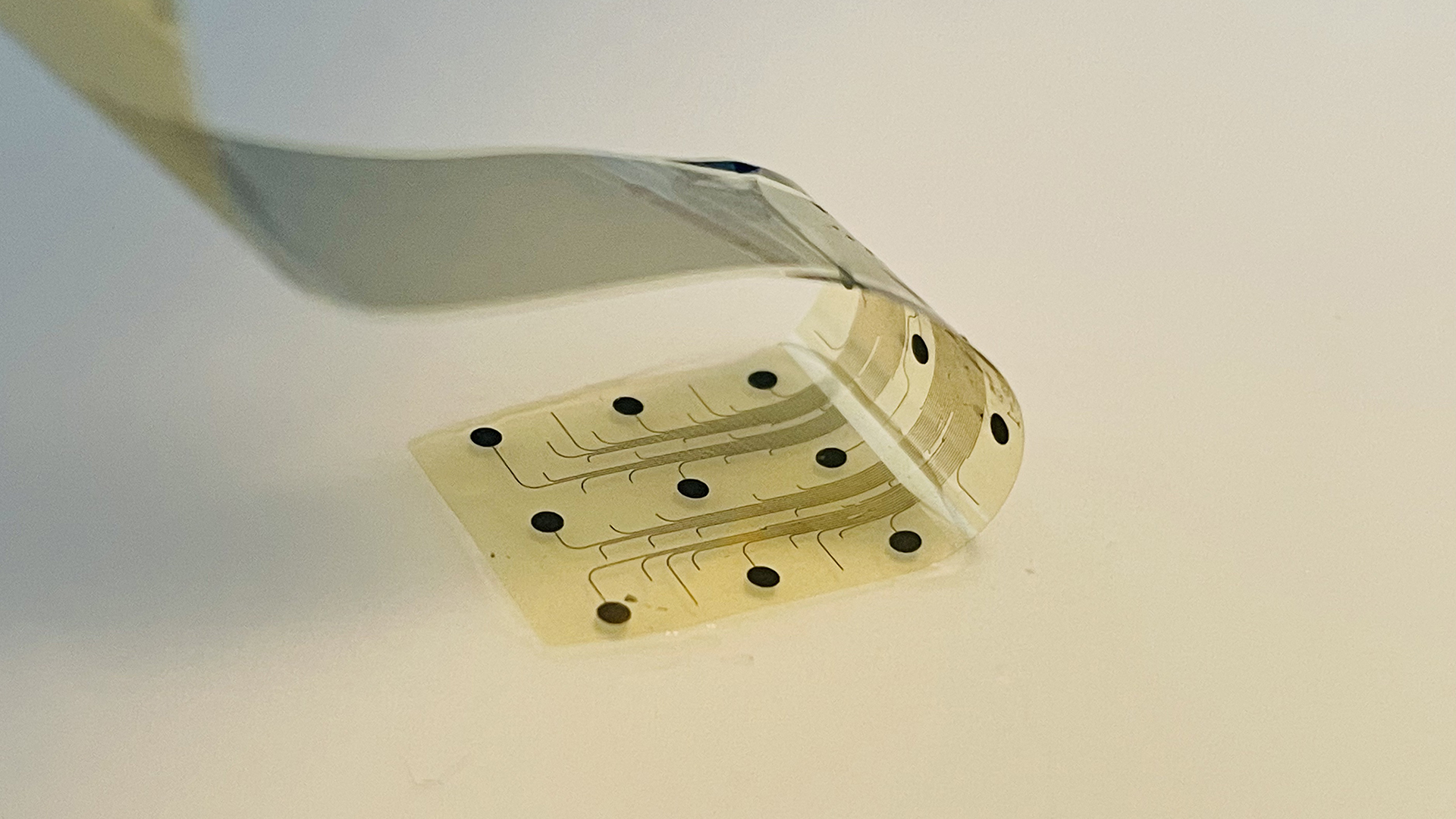
In medicine, graphene continually supports breakthroughs in diagnosis and treatment. Biosensors made with graphene detect low levels of disease markers, enabling early diagnosis. Its biocompatibility also makes it suitable for wearable health monitors and implants. Neural interfaces similar to InBrain Electronics’ recent in-human testing of a graphene-based brain implant show promise in restoring mobility and communication for patients with neurological conditions. These applications reflect graphene’s growing role in improving health outcomes through technology.
Environmental: Coatings, Water Purification
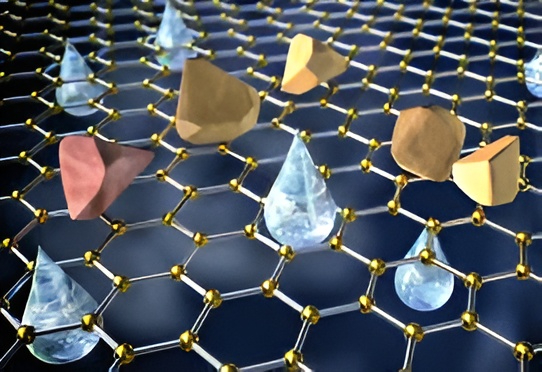
Graphene offers sustainable solutions to environmental challenges. As a coating, it protects surfaces from rust, chemicals, and UV damage, extending product life and reducing waste. In water purification, graphene filters out contaminants such as heavy metals and bacteria, producing cleaner drinking water with minimal energy use. These innovations support global efforts to create cleaner, safer environments using advanced nanomaterials like graphene.