
How Concretene Is Reinventing Concrete
Concrete is the unsung backbone of modern infrastructure, buildings, roads, bridges, tunnels. But it comes with a heavy environmental cost. That is where Concretene steps in: a graphene-enhanced concrete additive that promises to change the rules of construction.
This is how an age-old material may get its next-gen upgrade.
1. What Is Concretene?
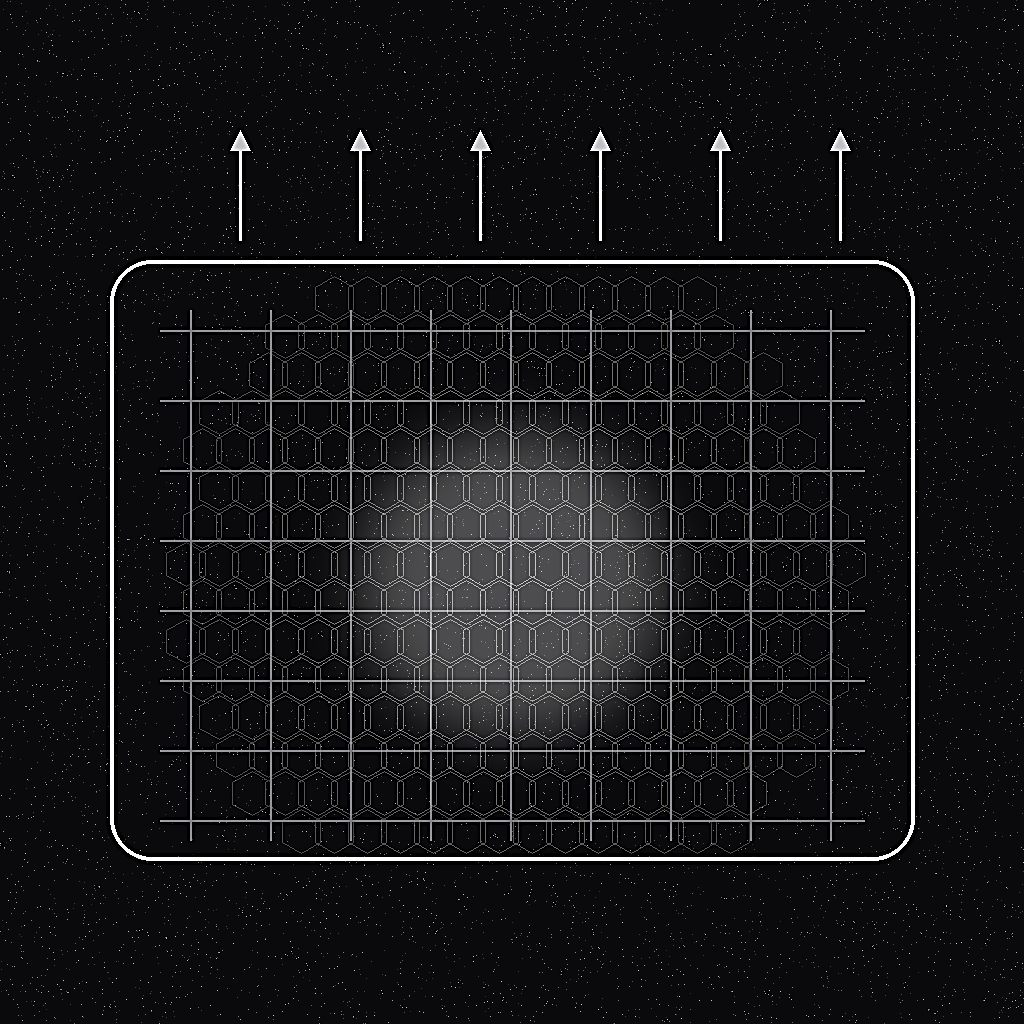
Concretene is a liquid admixture based on graphene nanoparticles or nanoplatelets. When added to a standard concrete mix at the batching plant, it improves the microstructure of concrete, boosting performance and reducing the need for cement.
The company says that at scale it can be cost-neutral, work within existing building codes, and require no new equipment or special training for contractors.
This means builders can swap ordinary concrete for graphene-enhanced blends without disrupting workflows, but with major potential gains.
2. What It Does Better than Regular Concrete
Concretene offers several standout advantages compared with standard concrete mixes:
- Higher compressive strength: Graphene-enhanced mixes have shown compressive strength uplifts of about 10 to 20 percent in ready-mix and precast applications.
- Lower embodied carbon: Because less cement is needed to achieve equivalent or better strength, the overall carbon footprint can decrease substantially.
- Faster strength development: In at least one commercial slab pour, the graphene-enhanced concrete reportedly reached typical 28-day strength in as little as 12 hours.
- Better durability and less shrinkage: Independent tests suggest improved resistance to shrinkage and cracking, which is a frequent challenge for low-carbon and lightweight mixes.
In short: stronger, greener, faster-curing, more reliable concrete, using roughly the same processes builders already know.
3. Real-World Uses Already Happening
Concretene is not just lab talk. Engineers have used the admixture in over 300 cubic metres of concrete across live construction projects.
Examples include:
- A mezzanine floor in a Manchester regeneration project: the first use of Concretene in a suspended slab intended for high-rise development.
- Low-carbon railway sleepers: developed in partnership with major industry companies, aiming to deploy graphene-enhanced concrete in transportation infrastructure.
These early deployments show Concretene is already entering the built environment.
4. Why This Matters for Builders, Cities, and Climate
Concrete contributes a significant portion of global carbon emissions, largely due to cement production. By reducing cement demand, Concretene tackles one of the biggest hard-to-abate sectors in construction.
Using less material without compromising strength can lead to:
- Lighter buildings or infrastructure with the same load capacity
- Lower transport and material costs
- Reduced long-term maintenance and repair needs due to improved durability
- Faster construction cycles thanks to quicker curing
It is the kind of incremental revolution that could have outsized impact. Not flashy, but effective.
5. Challenges Ahead and What Needs to Be Proven
No breakthrough is perfect. Concretene still has to scale supply of high-quality graphene, secure long-term standards, and earn widespread trust across the construction sector.
As with any novel material, consistent quality, rigorous certification, and transparent testing are essential.
But the fact that Concretene already works with major concrete suppliers and engineering consultancies suggests the industry is watching closely.
6. The Future of Concrete Looks Lighter and Greener
With Concretene, concrete may get a makeover subtle enough to keep buildings standing, but bold enough to reshape how we build. Stronger bridges, greener housing, faster infrastructure, built not with more material, but smarter material.
If this story excites you, explore our other posts on graphene’s role in eco-materials, next-gen composites, and innovations in construction. Advanced materials are quietly transforming the world, one slab, one beam, one graphene-enhanced pour at a time.